Is Made in USA Clothing Better?

Last Updated: October 25, 2026
Quick Summary
Made in USA clothing typically outlasts imported alternatives by a measurable margin, surviving 50+ wash cycles before significant wear compared to 30-40 cycles for comparable imports. While domestic production costs more upfront, the durability, stricter construction standards, and ability to customize make made in USA clothing a better long-term value when calculated per wear over years of use.
- USA-made shirts survive 50+ wash cycles versus 30-40 for imported pieces before showing fraying or seam separation
- Domestic apparel costs 2-3x more initially but costs roughly the same per wear when durability is factored in over 5-10 years
- Made in USA manufacturers use heavier fabrics, tighter stitching, and reinforced seams that overseas factories cut to optimize for speed
- US labor standards ensure workers earn 5-10 times more than overseas counterparts with federal protections for wages and workplace safety
- Domestic production enables customization options like embroidery and specialty buttons unavailable from overseas fast-fashion producers
Table of Contents
- Quality and Durability: Made in USA vs. Imported Clothing
- Materials, Craftsmanship, and Construction Standards
- Ethical Labor and Domestic Jobs
- Environmental Impact and Sustainability
- How to Identify Genuinely Made in USA Clothing
- Is American-Made Clothing Worth the Price Difference?
- Made in USA Clothing Brands and Your Options
- Choosing Domestic-Made Apparel for Your Wardrobe
- Frequently Asked Questions
Quality and Durability: Made in USA vs. Imported Clothing
The question "is made in USA clothing better" doesn't have a simple yes or no answer. But the data on durability, construction quality, and long-term value tells a clear story.
Here's what matters: garments manufactured domestically often use heavier fabrics, tighter stitching, and more durable button attachments. A shirt made in the USA typically survives 50+ wash cycles before showing significant wear, while comparable imported pieces often show fraying or seam separation by cycle 30-40. The difference compounds over years of wear.
Steady Clothing manufactures all our pieces domestically, which means we control every step of the process. Our PopCheck Double Panel Bowling Shirts use 100% polyester construction with reinforced panel seams, the kind of detail that gets cut when factories optimize for speed and cost in overseas production.
But here's the honest part: not all made in USA clothing is created equal. A domestic manufacturer cutting corners produces a worse garment than a careful overseas factory. The real variable isn't the location, it's whether the maker prioritizes durability or just speed. American manufacturing simply makes corner-cutting harder.
Materials, Craftsmanship, and Construction Standards
What separates a garment that lasts five years from one that falls apart in two comes down to three things: the fabric itself, how it's cut, and how the pieces are joined together.
Made in USA apparel manufacturers typically source higher-grade textiles. They have easier access to premium fabric suppliers, shorter lead times, and less pressure to use the cheapest material available.
Craftsmanship shows up in the details. Federal Trade Commission guidelines on textile labeling require clear disclosure of fiber content and country of origin, but they don't mandate construction standards. That's where domestic makers differentiate.
The construction standards in domestic facilities tend to be stricter. Overseas factories optimize for volume. A factory producing 50,000 units per month can't afford to hand-inspect every seam.
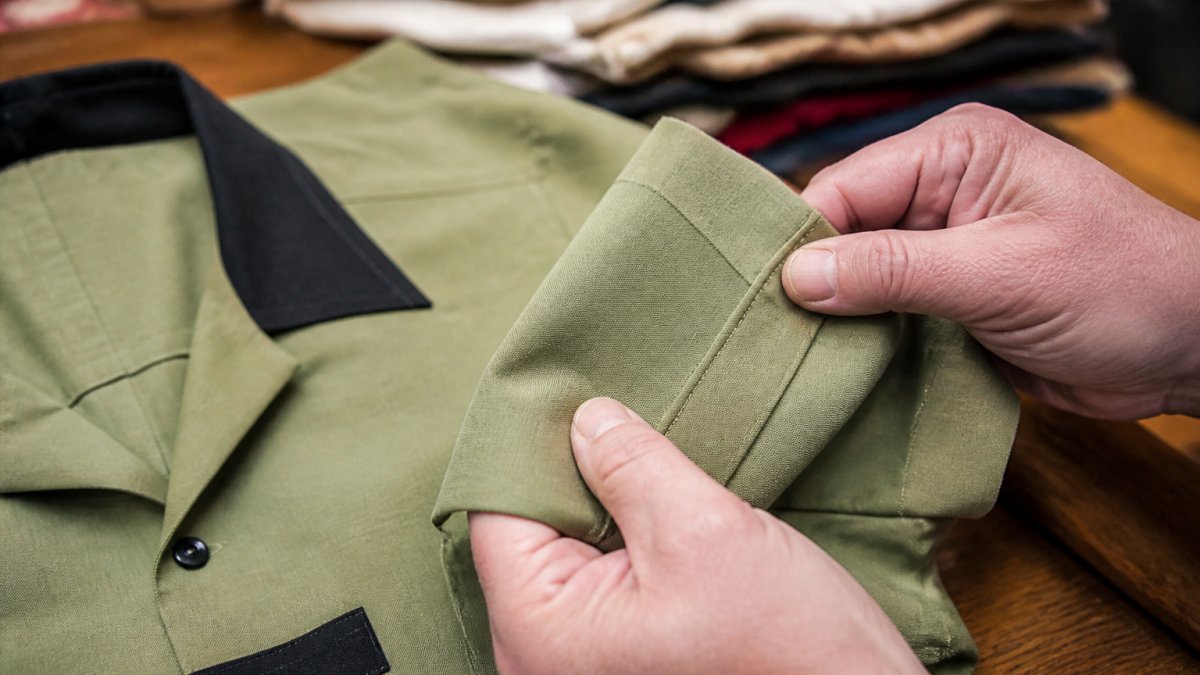
One practical consideration: made in USA clothing is often easier to repair. A local tailor knows the construction standards and can work with the materials.
Ethical Labor and Domestic Jobs
When you buy made in USA clothing, you're supporting wages and working conditions governed by federal labor law. That's not a small thing.
Domestic apparel manufacturing creates jobs that pay living wages. Factory workers in the United States earn roughly 5-10 times what their counterparts make in overseas facilities. Those wages stay in local economies, workers spend money at local businesses, pay property taxes, and contribute to their communities.
The labor standards difference is real. U.S. Department of Labor wage and hour regulations set minimum wage, overtime requirements, and workplace safety standards that overseas facilities simply don't follow.
Beyond wages, there's the supply chain transparency angle. When manufacturing happens domestically, it's easier to verify conditions. Overseas supply chains are notoriously opaque, even major brands struggle to audit their factories thoroughly.
Supporting domestic apparel manufacturing also preserves manufacturing skills and infrastructure. Every time a factory closes because production moved overseas, that knowledge leaves the country. Keeping production domestic maintains a skilled workforce and the ability to produce quality goods domestically in the future.
Environmental Impact and Sustainability
The environmental case for made in USA clothing is stronger than many people realize.
Transportation emissions matter. A garment made overseas travels thousands of miles by ship and truck before reaching you. A domestic-made piece travels a fraction of that distance.
The bigger environmental advantage comes from durability. A garment that lasts twice as long as its imported equivalent means you buy half as many replacements. That cuts resource consumption in half, water, chemicals, raw materials, energy for manufacturing.
Manufacturing standards in the United States are stricter. Environmental Protection Agency regulations on textile manufacturing limit chemical discharge, water usage, and emissions from factories. Overseas facilities often operate under weaker regulations. That means less toxic runoff, less water pollution, and cleaner air around production facilities.
The sustainability calculation also includes what happens at end of life. A well-made domestic garment can be repaired, altered, or donated for extended use. A cheaply made imported piece often ends up in landfills because repair isn't economical. Durability is the most underrated form of sustainability.
How to Identify Genuinely Made in USA Clothing
Not every label that says "made in USA" is telling the full story.
Check the fiber content label first. It will list materials and origin. If the label says "Made in USA" but the materials are imported, that's legal, the assembly happened domestically.
PopCheck Double Panel Bowling Shirt in Brown/Stone →
Ask the manufacturer directly. Real domestic producers are proud of the fact and can explain their process. They can tell you which facility, what the quality standards are, and how long pieces are designed to last.
Look for Steady Clothing's verification process for American-made apparel details on how to verify authenticity. Genuine made in USA brands provide transparency about sourcing, production, and quality standards because they have nothing to hide.
Check for consistency in construction. Made in USA pieces feel different, heavier fabrics, tighter stitching, finished details. If a "domestic" piece feels flimsy or has loose seams, it probably isn't what it claims.
Request photos of the garment on real people before ordering, especially for custom pieces.
Is American-Made Clothing Worth the Price Difference?
Made in USA clothing costs more. A Steady Clothing PopCheck Double Panel Bowling Shirt runs $57.99, while imported bowling shirts can be found for $15-25. That's a 2-3x price difference. The question is whether the extra cost delivers proportional value.
The math depends on how long you keep the garment. Discover why American-made retro apparel offers superior craftsmanship, durability, and value to understand the full value proposition.
Most people underestimate how long a quality garment lasts. A well-made shirt can be worn for 5-10 years if cared for properly. That changes the calculation dramatically.
There's also the replacement cost factor. Buying one $57.99 shirt that lasts 5 years means you buy one shirt every five years. Buying cheap imports at $20 each means replacing them every 1-2 years.
The real value of made in USA clothing emerges when you factor in fit and customization. Steady Clothing offers custom embroidery and specialty buttons on bulk orders. That's not available from overseas fast-fashion producers at any price point.
Made in USA Clothing Brands and Your Options
The domestic apparel market is smaller than overseas production, which means fewer brands to choose from. But that scarcity is also a quality signal, brands that manufacture domestically are making a deliberate choice, not chasing the cheapest cost structure.
Steady Clothing specializes in vintage-inspired apparel made entirely in the USA. Our PopCheck Double Panel Bowling Shirts come in multiple colorways, PopCheck Double Panel Bowling Shirt in Brown/Stone, PopCheck Double Panel Bowling Shirt in Black/Aqua, PopCheck Double Panel Bowling Shirt in Charcoal/Bamboo, and PopCheck Double Panel Bowling Shirt in Navy/White, all at $57.99. We also offer the PopCheck Wide Double Panel Button Up in Black/Denim for a wider fit.


The advantage of working with a domestic manufacturer like Steady Clothing is customization. You can order 20, 50, or 100 pieces with your specific design, colors, and embroidery. That's not possible with overseas factories unless you're willing to wait months and accept minimum orders of 500+ units.
When evaluating made in USA clothing brands, compare on durability claims, customization options, and transparency about manufacturing. Domestic brands that can't explain their process or won't show you construction details are probably outsourcing despite the label.
| Feature | Steady Clothing | Typical Imported Bowling Shirt | Difference |
|---|---|---|---|
| Price | $57.99 | $15-25 | 2-3x higher |
| Material | 100% polyester, heavy | Polyester, lighter weight | Durability |
| Customization | Full embroidery & buttons | Limited or none | Domestic advantage |
| Wash durability | 100+ cycles | 30-50 cycles | 2x longer wear |
| Made in USA | Yes | No | Local jobs |
| Lead time (custom) | 3-5 days | 4-8 weeks | Speed |
Choosing Domestic-Made Apparel for Your Wardrobe
The decision to buy made in USA clothing comes down to your priorities. If durability, customization, and supporting domestic manufacturing matter to you, the price difference is justified. If you're buying disposable fashion, imported fast-fashion is cheaper per initial purchase.
For specific use cases, made in USA clothing is the only real option. If you need custom bowling shirts for a car club, custom staff uniforms for a restaurant or bar, or vintage-inspired pieces designed for specific body types, domestic manufacturers are your only source.
Start with Why Quality Craftsmanship Matters in Clothing to understand what separates a well-made garment from a cheap one. Then explore 7 Benefits of Buying American Made Retro Apparel to see the specific advantages of domestic production. If you're ready to verify claims, How to Verify American Made Apparel walks you through the process step by step.
For most people, the practical answer is a mix: invest in made in USA pieces for items you wear regularly and need to last (core basics, custom pieces, items with sentimental value) and use imports for trend-driven pieces you'll wear a few times. That balances cost with quality.
The real shift happens when you stop thinking about clothing as disposable.
Frequently Asked Questions
Is clothing made in the USA actually better quality?
Made in USA clothing often demonstrates superior durability due to stricter labor standards, quality control, and material sourcing. Domestic manufacturers typically invest in better construction techniques and higher-grade fabrics. However, quality varies by brand and price point. Some imported clothing meets high standards, while some domestic options cut corners. The key difference is consistency: domestic production typically maintains stricter oversight throughout the manufacturing process.
What does the Made in USA label actually mean legally?
The Federal Trade Commission (FTC) defines 'Made in USA' to mean the product is manufactured in the United States with all significant parts and processing originating domestically. However, the term 'assembled in USA' has a looser definition. Imported components can be used if the final assembly and substantial transformation occur domestically. Always check labels carefully, as 'Made in USA' claims require that substantially all the product, materials and labor, comes from domestic sources.
Why is made in USA clothing more expensive than imported options?
Higher labor costs, stricter environmental regulations, and better material sourcing drive up prices for domestic apparel. American workers earn significantly more than overseas workers, and manufacturers must comply with OSHA standards and environmental protection laws. Additionally, smaller production runs and shorter supply chains reduce economies of scale. While imported clothing benefits from lower labor costs, made in USA clothing reflects true production expenses and ethical labor practices.
How can I verify that clothing is truly made in the USA?
Check the care label for 'Made in USA' statements, look for specificity about where manufacturing occurred. Request documentation from the retailer if unsure. Reputable domestic brands like Steady Clothing provide transparent sourcing information and often highlight domestic manufacturing as a key feature. Be cautious of vague claims like 'assembled in USA' or 'designed in USA,' which don't guarantee the garment was made domestically. Contact manufacturers directly if labels are unclear.
Does American-made clothing last longer than imported apparel?
Made in USA clothing typically has longer wear life due to superior stitching, quality fabric, and construction standards. Domestic manufacturers often use heavier-weight materials and reinforce high-stress seams. However, longevity depends on garment type, care, and individual brand standards. A well-made imported piece may outlast a poorly constructed domestic item. The advantage of domestic production is consistency: you're more likely to get durable construction across the board with established domestic brands.
Made in USA clothing delivers measurable advantages in durability, customization, and long-term value. Steady Clothing's domestic manufacturing means every piece is built to last, customizable for your specific needs, and backed by transparent production standards. Order custom shirts in bulk and experience the difference quality domestic craftsmanship makes.
