5 Ways to Spot Authentic Retro Clothing Online

Last Updated: October 24, 2026
Quick Summary
Authentic retro clothing refers to garments actually manufactured during the 1940s through 1960s, featuring period-specific manufacturing techniques, fabric compositions, and construction details that distinguish them from modern vintage-inspired reproductions. You can identify authentic retro clothing by examining labels for fiber content, country-of-origin, and care instructions, then confirming with construction details like stitching quality, button attachment, zipper style, and fabric selvage.
- Pre-1970s garments often lack detailed fiber percentages, while labels listing exact percentages like 65% polyester point to 1970s or later.
- Metal zippers with branded pulls like Talon or Crown are common on 1940s-1960s pieces; plastic zippers became standard later.
- 1940s pieces had substantial shoulder padding that decreased through the 1960s until padding became minimal or disappeared entirely.
- Care labels became widespread in the 1970s; garments with no care label are more likely pre-1970s authentic pieces.
- Ask sellers for close-up photos of labels, care tags, and zipper pulls before buying; evasive responses suggest the seller doesn't know the item's history.
Table of Contents
- The Difference Between Authentic Retro and Vintage-Inspired Reproductions
- How to Identify Vintage Clothing Labels and Manufacturing Details
- Dating Clothing by Era-Specific Details and Construction
- Vintage Clothing Brands to Look For and Research
- How to Spot Authentic Vintage Clothing in Online Marketplaces
- Where to Buy Vintage Clothing Online Safely
- Assessing Condition, Fit, and Authenticity Before You Buy
- Build Your Authentic Retro Collection Today
- Frequently Asked Questions
The Difference Between Authentic Retro and Vintage-Inspired Reproductions
Authentic retro clothing refers to garments actually manufactured during the 1940s through 1960s, while vintage-inspired pieces are modern reproductions designed to evoke that era's aesthetic.
Understanding this difference shapes how you shop. Authentic retro clothing features period-specific manufacturing techniques, fabric compositions, and construction details that modern factories don't typically use.
At Steady Clothing, we recognize this distinction and focus on delivering authentic vintage-inspired apparel that honors the craftsmanship of the retro era.
The key difference lies in intention and execution.
How to Identify Vintage Clothing Labels and Manufacturing Details
Examine the garment tag closely. Vintage labels show specific formatting, typography, and materials that changed over decades.
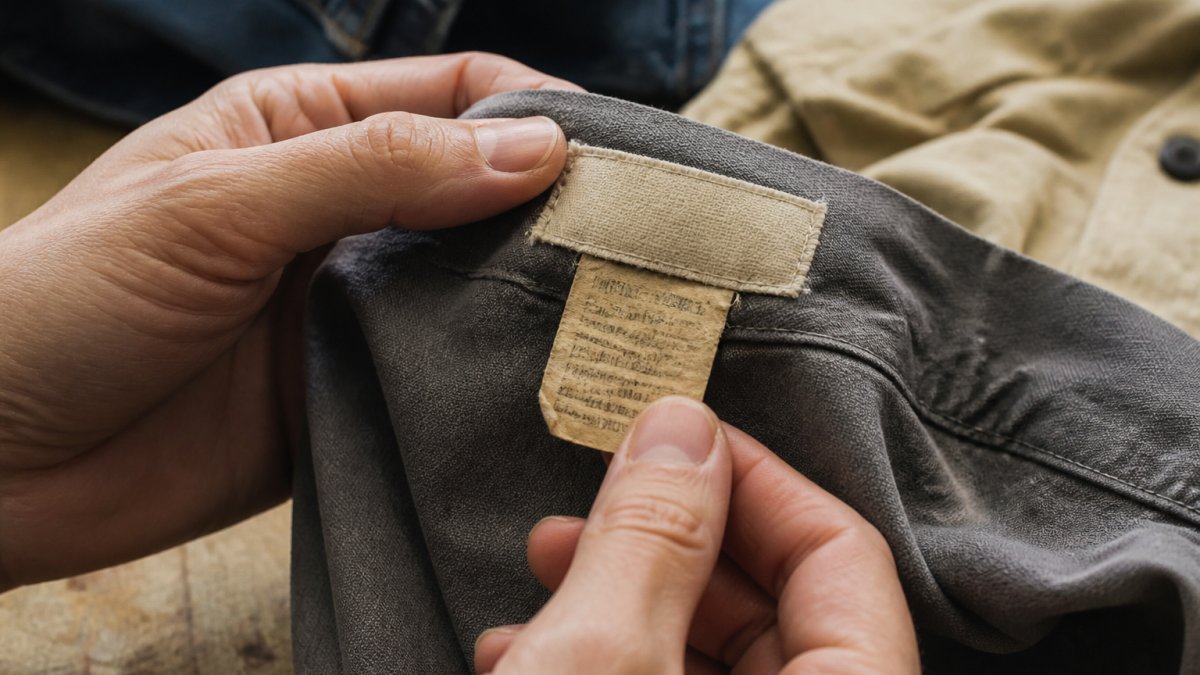
Rather than eyeballing one detail, run a short verification sequence.
Step 1: Read the fiber content line. Pre-1970s garments often lack detailed fiber percentages.
Step 3: Inspect the care instructions. Care labels became widespread in the 1970s as synthetic fabrics and home washing machines spread.
Step 4: Examine construction details. These confirm or contradict what the label suggests:
- Stitching quality: Vintage seams show consistent hand-guided stitching or early machine work. Modern reproductions often have perfectly uniform, computer-guided stitching.
- Button attachment: Original buttons were sewn with thread shanks and specific knot patterns. Modern reproductions use simpler, faster attachment methods.
- Fabric selvage: The finished edge of the fabric shows manufacturing era. Vintage selvages have specific dye patterns and width variations that modern mills don't replicate.
- Zipper style: Metal zippers with branded pulls (Talon, Crown, Conmar) are common on 1940s-1960s pieces; plastic zippers became standard later. The specific zipper brand and construction dates a garment.
When you know what to look for, fakes become obvious, and when a label and the construction disagree, trust the construction.
Dating Clothing by Era-Specific Details and Construction
Each decade left distinct fingerprints on garment construction. The 1940s favored structured shoulders and specific seam placements. The 1950s introduced wider lapels and particular button sizing.
Use the decade guide below as a starting framework.
1940s
- Silhouette: Structured, padded shoulders; nipped waists; shorter, knee-length skirts driven by wartime fabric rationing.
- Closures: Metal zippers with branded pulls; buttons often functional rather than decorative.
- Labels: Sparse fiber information; "all wool" or "100% virgin wool" notations; union labels sewn into seams on many American-made pieces.
- Fabrics: Heavy wools, rayons, and sturdy cottons; synthetics like nylon appear late in the decade.
1950s
- Silhouette: Wider lapels, fuller skirts, defined waists; shoulder padding still present but softer than the 1940s.
- Closures: Metal zippers remain standard; button sizing grows larger and more decorative on dresses and jackets.
- Labels: Fiber content still often vague; "Made in USA" common; care labels rare.
- Fabrics: Natural fibers dominate, wool, cotton, silk; early synthetic blends appear but are not yet dominant.
1960s
- Silhouette: Looser cuts emerge through the decade; shift dresses, A-line skirts, and minimal shoulder padding by the late 1960s.
- Closures: Metal zippers persist early; plastic zippers become more common late in the decade.
- Labels: Fiber percentages grow more specific as labeling rules tighten; care labels begin to appear.
- Fabrics: Synthetic blends increase, polyester and acrylic enter mainstream apparel.
1970s (for contrast)
- Silhouette: Wide collars, flared trousers, unstructured jackets.
- Closures: Plastic zippers standard; care labels widespread.
- Labels: Detailed fiber percentages and country-of-origin lines (including offshore production) become common.
Construction techniques changed measurably across these decades:
- Shoulder padding: 1940s pieces had substantial padding. By the 1960s, padding became minimal or disappeared entirely.
- Collar stands: Vintage collars were cut and sewn differently than modern versions. The angle and height shifted across decades.
- Hem construction: Older garments used different hemming techniques. Hand-rolled hems, specific stitch lengths, and thread types all vary by era.
- Zipper style: Metal zippers were common in the 1950s-1960s. Plastic zippers became standard later. The specific zipper brand and construction dates a garment.
Fabric composition also signals era. The 1950s relied heavily on natural fibers like wool, cotton, and silk. Synthetic blends increased through the 1960s.
Pay attention to care label language.
Key construction and material markers distinguish authentic pieces from each decade.
| Era | Silhouette | Closures | Fabrics |
|---|---|---|---|
| 1940s | Structured, padded shoulders; nipped waists | Metal zippers with branded pulls | Heavy wools, rayons, sturdy cottons |
| 1950s | Wider lapels, fuller skirts, defined waists | Metal zippers standard; larger decorative buttons | Natural fibers dominate; early synthetic blends |
| 1960s | Looser cuts; shift dresses, A-line skirts | Metal zippers early; plastic zippers late decade | Synthetic blends increase; polyester and acrylic |
| 1970s | Wide collars, flared trousers, unstructured | Plastic zippers standard | Detailed fiber percentages; offshore production common |
Vintage Clothing Brands to Look For and Research
Certain manufacturers built reputations during the retro era. These brands consistently used quality materials and construction methods that make their pieces highly desirable today.
Research these established vintage brands:
- Pendleton: Known for wool shirts and jackets with distinctive patterns and solid construction.
- Levi's: Denim jeans with specific rivet placement and seam patterns that changed across decades.
- Woolrich: Premium wool garments favored by outdoors enthusiasts.
- Arrow: Classic dress shirts with specific collar construction and button placement.
When you find a garment with one of these labels, research the specific production period. Many brands have documentation about when certain styles were manufactured.
Mid Century Marvel Bowling Shirt in Charcoal →
Unknown brands aren't necessarily fake. Local manufacturers produced quality garments that deserve attention.
How to Spot Authentic Vintage Clothing in Online Marketplaces
Online shopping for authentic retro clothing requires extra caution. Photos can hide flaws, and sellers range from knowledgeable collectors to casual resellers who misidentify pieces.
Examine product photos carefully:
- Multiple angles: Authentic sellers provide front, back, side, and detail shots showing seams, buttons, and labels.
- Close-up of tags: Legitimate listings include clear photos of labels and care instructions.
- Fabric texture: Look for photos showing fabric weave and any wear patterns. Authentic vintage shows appropriate aging.
- Stitching detail: Ask for or examine photos of seams and stitching patterns.
Red flags for misrepresented listings include:
- Generic descriptions lacking specific era, brand, or construction details
- Photos too small to verify label information
- Claims of "vintage" without supporting evidence of age
- Prices unusually low for claimed authenticity
Ask sellers direct questions. Legitimate vintage dealers can describe manufacturing details, explain why they date a piece to a specific era, and discuss any flaws or repairs. Evasive responses suggest the seller doesn't actually know the item's history.
Where to Buy Vintage Clothing Online Safely
Purchasing authentic retro clothing online requires choosing trustworthy sources.
Reliable online options include:
- Specialized vintage retailers with detailed product descriptions and authentication processes
- Auction sites with seller ratings and buyer protection policies
- Vintage boutiques with physical locations that also sell online
- Marketplace platforms with authentication services for higher-value items
Before buying, review seller ratings and customer feedback. Look for comments about authenticity, condition accuracy, and responsiveness to questions.
Consumer protection guidelines for online shopping provide guidance on verifying seller legitimacy and understanding return policies.
For collectors seeking curated finds, Steady Clothing offers vintage-inspired apparel designed and manufactured in the USA.
Assessing Condition, Fit, and Authenticity Before You Buy
Before purchasing, evaluate the garment's condition honestly. Vintage pieces show age, that's expected. But understand what you're getting.
Condition assessment includes:
- Stains or discoloration: Vintage fabrics may have yellowing or marks. Some clean easily; others are permanent.
- Fabric integrity: Check for holes, tears, or thin spots. Worn areas don't always mean poor quality, they show the piece was loved and used.
- Odors: Vintage clothing sometimes carries storage smells. Most fade with airing; some require professional cleaning.
- Repairs: Previous owners may have mended tears or replaced buttons. Visible repairs don't reduce authenticity but affect appearance.
Fit presents unique challenges with authentic retro clothing. A 1950s size 10 differs dramatically from modern sizing. Our retro apparel sizing guide helps you understand how vintage dimensions compare to contemporary body types, ensuring pieces fit properly.
For bulk orders or custom pieces, understanding fit matters even more. Our team at Steady Clothing works with groups and businesses to ensure custom-manufactured retro apparel meets your specific requirements.
Verify authenticity one final time before purchasing. Cross-reference the label information against brand records. Check construction details against era-specific standards. Confirm the price aligns with comparable authenticated pieces.
Build Your Authentic Retro Collection Today
Collecting authentic retro clothing requires patience and knowledge. Start by understanding the differences between genuine vintage and reproductions. Learn to read labels and recognize era-specific construction.
The reward is a wardrobe of distinctive, quality garments with real history. Each piece tells a story of its era and carries the craftsmanship standards of its time.
When you're ready to add to your collection, consider pieces that combine authenticity with wearability. Learn why American-made retro apparel offers superior authenticity and quality as you build your collection.
Steady Clothing supports collectors and enthusiasts by offering custom-manufactured retro apparel that honors vintage design principles.
Frequently Asked Questions
What is the difference between authentic retro clothing and vintage-inspired reproductions?
Authentic retro clothing is original or deadstock garments manufactured during the 1940s-1960s, with era-specific construction, materials, and labels. Vintage-inspired reproductions are new pieces designed to look retro but made with modern fabrics, machinery, and tags. True vintage items show wear patterns, faded colors, and construction techniques specific to their decade. Reproductions use contemporary stitching methods, synthetic materials, and modern brand labels. Knowing this distinction helps you avoid overpaying for new pieces marketed as vintage.
How can I tell if clothing is genuinely vintage by examining the label?
Genuine vintage clothing labels show specific era markers: pre-1970s labels often lack care symbols, use different fonts and label attachment methods, and list fiber content without modern percentages. Check for hand-stitched tags, faded printing, and labels sewn directly into seams rather than attached with modern techniques. Research the brand's history, legitimate vintage brands have documented founding dates and manufacturing locations. Modern reproductions use crisp printing, standardized care symbols, and contemporary label designs. Mismatched label styles or suspiciously new-looking tags on supposedly vintage pieces are red flags.
What red flags should I watch for when buying retro clothing online?
Avoid listings with stock photos or professional product photography that looks too polished for vintage items. Watch for inconsistent sizing, vague descriptions without specific measurements, or sellers who won't provide close-ups of tags and seams. Be skeptical of prices dramatically lower than comparable listings, this often indicates reproductions or misrepresented condition. Listings claiming 'vintage' but showing modern care labels, perfect stitching, or no visible wear are likely new pieces. Always request photos of the garment tag, interior seams, and any damage before purchasing from unfamiliar sellers.
Where should I shop to find authentic vintage clothing online?
Established online marketplaces like Etsy, eBay, and Depop connect you with individual sellers and vintage dealers who specialize in era-specific pieces. Look for sellers with high ratings and detailed shop descriptions. Specialty vintage retailers with physical locations often maintain online stores with verified inventory. Check seller reviews specifically for comments about authenticity and condition accuracy. For high-quality, vintage-inspired apparel designed and made in the USA, retailers like Steady Clothing offer custom options. Always verify seller credentials and read return policies before buying.
Building an authentic retro collection takes time, but the process becomes easier once you understand what to look for. The garments you find will outlast trends and connect you to fashion history. Start by examining pieces carefully, asking sellers the right questions, and shopping from sources that prioritize authenticity. Your wardrobe will reflect genuine vintage style, pieces people notice and ask about.
