7 Benefits of Buying American Made Retro Apparel

Table of Contents
- Why American Made Retro Apparel Outperforms Fast Fashion
- Superior Quality Craftsmanship: Built to Last Decades, Not Seasons
- The Sustainability Benefits of Domestic Clothing Production
- Supporting Local Jobs and the US Economy With Every Purchase
- The Retro Aesthetic Is Authentic, Not a Costume
- How to Identify Authentic American Apparel
- Cost-Per-Wear: Why Quality Justifies the Price Tag
- Conclusion: Make Your Next Retro Purchase Count
- Frequently Asked Questions
Last Updated: September 9, 2026
The modern apparel industry runs on volume, shipping millions of garments that mimic a trend for a single season before ending up in a landfill. Choosing american made retro apparel flips that model, prioritizing durable construction and ethical sourcing over disposability. At Steady Clothing, we design and manufacture vintage-inspired pieces domestically.
Below, we break down the seven concrete benefits of buying american made retro apparel, from superior quality craftsmanship to the authentic vintage aesthetic that fast fashion cannot replicate. You will also learn how to identify authentic American made apparel and why the cost-per-wear math justifies the price tag.
Why American Made Retro Apparel Outperforms Fast Fashion
Fast fashion operates on a simple premise: produce cheaply, price low, and encourage frequent replacement. The results are garments with weak seams, synthetic blends that pill after a few washes, and a business model that relies on textile waste. American made retro apparel rejects that cycle by focusing on longevity and responsible production.
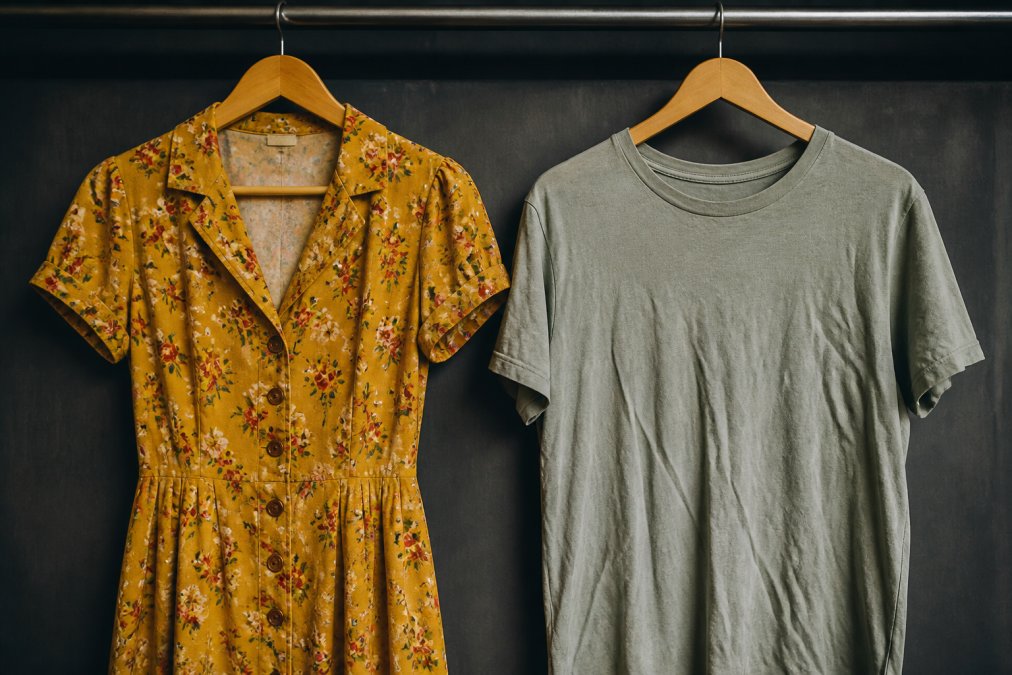
The difference starts with materials. Domestic manufacturers often use heavier fabrics and reinforced stitching because they build clothing to a standard, not a price point. This approach supports conscious consumerism, where buyers invest in fewer, better items instead of a constant stream of disposable pieces.
Superior Quality Craftsmanship: Built to Last Decades, Not Seasons
Quality craftsmanship determines whether a garment survives its first year or becomes a staple for a decade. Domestic manufacturing standards typically involve stricter quality control at every stage, from cutting to final stitching, resulting in apparel that maintains its shape, color, and structural integrity through repeated wear and washing.
A premium garment features reinforced stress points, precise pattern matching, and secure seams that do not unravel. These details are difficult to achieve at scale with low-cost overseas labor, where speed often trumps precision. In practice, the jacket you buy today will still look sharp at next year's car show or club event.
The Sustainability Benefits of Domestic Clothing Production
Shipping garments across oceans consumes fuel and generates significant carbon emissions. Domestic clothing production shortens the supply chain dramatically, reducing the distance between factory and consumer.
Shorter supply chains also bring transparency. When manufacturing happens locally, it is far easier to verify environmental practices and working conditions, supporting a lower carbon footprint because facilities can be audited regularly and held to accountable standards.
Supporting Local Jobs and the US Economy With Every Purchase
Every garment purchased from a domestic manufacturer directly funds domestic jobs in the textile industry and garment production sectors. This economic impact extends beyond the factory floor to fabric mills, trim suppliers, and local shipping companies, helping sustain those roles.
Supporting local jobs also reinforces fair labor practices. Domestic workers are protected by federal workplace safety regulations and minimum wage laws, providing a baseline of ethical treatment not guaranteed in all overseas facilities (dol.gov). When you buy American, you are voting for a system where the person who sewed your shirt earns a fair wage under safe working conditions.
The Retro Aesthetic Is Authentic, Not a Costume
The difference between authentic retro style and a fast fashion interpretation comes down to cut, fabric, and silhouette. True vintage-inspired apparel follows the patterns of the 1940s through 1960s, designed around the natural curves of the body. Fast fashion versions often simplify these patterns, producing boxy approximations that miss the mark.
But the authentic look is not just about the pattern on paper, it is about the physical materials and how they behave on your body. This is where American made retro apparel claims a unique advantage that generic 'Made in USA' content rarely mentions: the fabric itself is period-correct in weight and hand-feel.
Ring-spun cotton is the foundation. Ring-spun cotton is the foundation. Unlike the open-end cotton used in budget imports, ring-spun cotton is twisted into a finer, stronger yarn that produces a softer, smoother fabric. This matters for the retro look because it drapes differently, it hangs closer to the body and develops a natural, lived-in feel that replicates how a 1950s t-shirt would have aged. Fast fashion versions use cheaper open-end cotton that feels stiff and cardboard-like, which is why they look like costumes rather than clothing. USA made gifts.
Fabric weight is the second tell. Fabric weight is the second tell. Authentic retro pieces, especially workwear-inspired jackets, denim, and chore coats, typically use 10-oz to 14-oz fabrics. A 12-oz denim jacket has a substantial drape that holds its shape through the shoulders and chest. Fast fashion interpretations often drop to 6-oz or 8-oz denim to cut costs, producing a flimsy garment that wrinkles easily and loses its silhouette after a few wears.
The cut is engineered, not approximated. The cut is engineered, not approximated. True retro patterns from the 1940s and 1950s were drafted for woven fabrics with specific stretch characteristics. A wiggle dress or high-waisted pencil skirt relies on a precise relationship between the waist seam, hip curve, and darts to create that smooth, hourglass line. Fast fashion versions simplify the darting and flatten the hip curve to speed up production, which is why they gap at the waist or pull across the hips.

The hardware completes the illusion. The hardware completes the illusion. Authentic retro pieces used metal zippers, solid brass buttons, and reinforced buttonholes. Fast fashion uses plastic zippers and thin metal snaps that tarnish or break quickly, which not only looks wrong but also shortens the garment's life.
Order Custom Shirts In Bulk! →
This is the angle most 'Made in USA' articles miss: the retro aesthetic is not just a visual style, it is a physical experience of fabric weight, drape, and hardware that only proper construction can deliver. When you buy American made retro apparel, you are not just buying a look; you are buying the actual material qualities that made the original era's clothing feel the way it did.
How to Identify Authentic American Apparel
Identifying authentic American made apparel requires more than reading a tag. Look for labels that state "Made in USA" or "Assembled in USA" with a clear explanation of where materials were sourced. The Federal Trade Commission guidance on Made in USA labeling outlines what these claims legally mean, including the requirement that all or virtually all of the product be made in the country.
Check the construction itself. Examine the stitching for uniformity and look for reinforced seams at high-stress areas. Authentic American made retro apparel typically uses heavier fabrics and more substantial hardware, such as zippers and buttons, than budget imports.
Read the label like a detective. The FTC distinguishes between three claims: "Made in USA" (all or virtually all of the product is made domestically), "Assembled in USA" (the final assembly happens here, but components may be imported), and "Made in USA with imported materials" (a qualified claim that requires the label to specify which parts are foreign). A garment that says "Made in USA of imported fabric" is still a legitimate domestic product, but it is not the same as one where the fabric was also woven domestically. For retro apparel, the fabric origin matters because domestic mills often produce the heavier, ring-spun cottons and wool blends that authentic vintage pieces require.
Check the seam allowance. This is a quick physical test. Open the garment and look at the inside seams. American made apparel typically uses a 5/8-inch seam allowance on main seams, which allows for alterations and prevents fraying. Fast fashion often uses 1/4-inch or even 1/8-inch allowances to save fabric, which means the seam is more likely to pull apart and the garment cannot be let out or adjusted. Run your fingers along the inside of a sleeve or side seam, if you feel a substantial fold of fabric, that is a quality signal.
Look for the union label or factory code. Look for the union label or factory code. Many domestic garment factories still sew a small union label or a factory identification number into the garment. While not universal, this is a strong indicator of legitimate domestic production. If you see a label that says "Made in USA" but the garment has no factory identifier and the stitching is irregular, treat the claim with skepticism.
Once you have verified the garment is authentic, proper care is what actually delivers the longevity you paid for. This is the step most articles skip, but it is critical for retro apparel made from heavier, natural fibers. Here is how to maintain your American made pieces so they last decades, not seasons:
- Wash in cold water (below 70°F). Hot water shrinks natural fibers like cotton and wool, and it breaks down elastic in waistbands. Cold water preserves both the fit and the color. Most domestic retro garments are pre-shrunk, but repeated hot washing will still cause gradual distortion.
- Use a gentle, pH-neutral detergent. Harsh detergents with optical brighteners can yellow white fabrics and dull vibrant colors over time. Look for detergents labeled "free and clear" or formulated for delicates. Avoid fabric softeners entirely, they coat the fibers with a waxy residue that reduces breathability and can break down elastic.
- Air dry flat or on a padded hanger. The dryer is the single biggest enemy of quality apparel. The heat and tumbling action breaks down fibers, fades colors, and distorts seams. For heavy-weight retro pieces like denim jackets or wool skirts, air drying flat preserves the structure. For t-shirts and casual shirts, hang them on a wide hanger to dry, this also reduces wrinkles.
- Iron or steam at the right temperature. Retro apparel made from 100% cotton or wool needs proper pressing to maintain its crisp silhouette. Use a steam iron on the cotton setting (around 400°F) for cotton pieces, but check the care label first, some blends require lower heat. For wool, use a pressing cloth and a lower temperature (around 300°F) to avoid shine marks.
- Store properly. Heavy retro garments like jackets and skirts should be hung on wide, padded hangers to maintain shoulder shape. Knitwear and delicate pieces should be folded to prevent stretching. Use cedar blocks or lavender sachets in your closet to deter moths naturally, mothballs contain chemicals that can damage fibers over time.
The verification and care process is not complicated, but it is deliberate. By learning to read labels correctly, inspect seam construction, and care for your garments properly, you ensure that your investment in American made retro apparel actually delivers the durability and aesthetic that justify the price. This is the practical knowledge that separates an informed buyer from someone who just reads the tag.
Cost-Per-Wear: Why Quality Justifies the Price Tag
The upfront price of quality apparel often causes hesitation, but the cost-per-wear analysis changes the equation. A $25 fast fashion shirt worn five times before falling apart costs $5 per wear. A $79.99 dress from Steady Clothing's Diva Dress collection worn fifty times over several years costs roughly $1.60 per wear, and it still looks great.

| Purchase Type | Price | Lifespan | Wears | Cost-Per-Wear |
|---|---|---|---|---|
| Fast Fashion Top | $25 | 5 washes | 5 | $5.00 |
| Budget Import Skirt | $30 | 10 washes | 10 | $3.00 |
| American Made Dress | $79.99 | Years of wear | 50+ | $1.60 |
| American Made Skirt | $24.98 | Years of wear | 50+ | $0.50 |
This math explains why sustainable apparel advocates focus on longevity over low prices. Durable construction and premium quality mean your wardrobe works harder for longer, reducing the need for constant replacement and lowering your overall clothing expenditure.
Conclusion: Make Your Next Retro Purchase Count
Choosing where your clothing comes from is a decision with lasting consequences for your wardrobe, your wallet, and the broader apparel industry. The benefits of buying american made retro apparel extend from superior quality craftsmanship and authentic vintage aesthetics to supporting domestic jobs and reducing environmental impact through lower carbon emissions and textile waste.
When you are ready to invest in pieces that reflect your style and your values, explore the range of American made retro apparel from Steady Clothing. From curve-hugging pencil skirts to custom bulk orders for your club or bar, every garment is designed and manufactured in the USA with premium materials and attention to detail. Order custom shirts in bulk and experience the difference of clothing built to last.

Frequently Asked Questions
What are the primary benefits of buying American-made retro clothing?
Buying American made retro apparel means getting garments with superior quality craftsmanship, thanks to stricter manufacturing standards and better materials. You also support domestic jobs and the local economy. These pieces are designed for longevity, not seasonal trends, which reduces textile waste. The result is a more durable, authentic vintage aesthetic that offers a better cost-per-wear than imported fast fashion.
How does domestic manufacturing impact the quality of retro apparel?
Domestic manufacturing allows for tighter quality control at every stage. Brands like Steady Clothing use heavier-weight fabrics and reinforced stitching that survive repeated washing. This level of durable construction is rare in imported goods, where cutting corners on materials is common to lower costs.
Is American-made retro clothing more sustainable than imported alternatives?
Yes. The sustainability benefits of domestic clothing production include a significantly reduced carbon footprint from shorter shipping distances. Domestic factories also face stricter environmental regulations regarding textile waste and chemical use. When you buy a well-made piece meant to last for years, you consume less and discard less, which is the core principle of conscious consumerism and a direct challenge to the fast fashion model.
What should shoppers look for to verify authentic American made labels?
Look for a 'Made in USA' label, but dig deeper. Check if the brand cuts and sews its garments domestically or just does final assembly. Examine the construction: quality craftsmanship means clean, tight stitching, reinforced stress points, and premium details like custom buttons. Steady Clothing, for example, is transparent about its US-based production.