How to Make Vintage Clothing Last: Care, Storage and Repair

Quick Summary
Vintage clothing longevity depends on inspecting a garment before cleaning, washing it gently in cold water with mild soap, drying it flat, and storing it in a cool, dark, ventilated space with breathable materials. Repairing small damage early also keeps it from spreading.
- Check fabric type and construction, and look for weak seams or thin spots before washing.
- Run a colorfastness test on a hidden seam, using a damp swab pressed on it for about 30 seconds.
- Wash in cold or lukewarm water with a mild, dye-free soap, and never wring or twist the garment.
- Dry vintage pieces flat on a towel and keep them away from direct sunlight and heat.
- Store garments in breathable cotton bags, away from light, heat and damp, and avoid plastic bags.
Table of Contents
- Check fabric type, construction and condition
- How to Wash Delicate Clothes Without Damaging Them
- Spot-Cleaning Stains and Removing Odors
- Drying Vintage Garments Flat to Prevent Stretching
- How to Prevent Clothes From Fading in Storage and Daily Wear
- How to Store Clothes Long Term
- How to Repair Clothing Before Small Damage Spreads
- Start Your Vintage Care Routine With Steady Clothing
- Frequently Asked Questions
Inspect and Test Before You Clean Your Vintage Clothing Longevity
Before you wash anything from your closet, take a close look at it, since careful inspection is central to vintage clothing longevity. Most damage to vintage clothing happens because someone cleaned a garment that was already weak. A quick inspection tells you what the piece can handle.
Check fabric type, construction and condition
Start by reading the care label if it still exists. Many vintage pieces have faded labels or none at all, so you will need to judge the fabric yourself.
Next, check the construction. Look at the seams, buttonholes and hems for loose threads, thinning spots and old repairs. Hold the garment up to a light.
Watch out: Never wring or twist a vintage garment to get water out. Old fibers tear easily under that kind of pressure.
Run a colorfastness test on a hidden seam
Dyes from vintage clothing can bleed, especially in older cotton and rayon. Before you wash the whole piece, test a small hidden area, such as the inside of a seam allowance. Dampen a cotton swab with cool water and a drop of mild soap, then press it against the spot for about 30 seconds. Check the swab. If color transfers, skip the wash and consider spot cleaning or professional help instead.
How to Wash Delicate Clothes Without Damaging Them
Gentle washing is one way to help support vintage clothing longevity. Harsh agitation and hot water weaken fibers and loosen embellishments like buttons and embroidery.
Choosing cold water and mild soap
Use cold or lukewarm water every time. Hot water shrinks older fabrics and can set stains that would otherwise lift. Pick a mild, dye-free soap or a detergent made for delicates.
Fill a clean basin with cold water, add a small amount of soap, and swirl it to mix. Submerge the garment, let it soak for a few minutes, then lift it out gently.
Avoiding over-washing and machine damage
Washing more often than needed can wear out vintage clothing over time. Wear a piece a few times before washing it, and air it out between wears instead.
If you must use a machine, place the garment in a mesh laundry bag, select the gentlest cycle, and use cold water. Machines still rub fabric against itself and against other clothes, so hand washing remains the safer choice for anything valuable.
Spot-Cleaning Stains and Removing Odors
Small stains rarely need a full wash, and treating them directly keeps the rest of the garment undisturbed. The catch with vintage pieces is that the stain and the fabric age together, so a method that works on a new shirt can lift dye or weaken a fifty-year-old fiber. Work stain by stain and odor by odor instead of reaching for one all-purpose remedy.
Match the treatment to the stain
Blot fresh stains with a clean white cloth dampened in cool water. Never rub, because rubbing pushes the stain deeper into the fibers and can abrade a fragile surface.
- Oil and grease: Sprinkle a small amount of cornstarch or talcum powder on the spot and let it sit for several hours to draw out the oil, then brush it away gently before dabbing with mild soap. Avoid rubbing grease, which spreads it.
- Protein stains (food, sweat, blood): Rinse with cool water first, hot water can set protein stains permanently. A diluted solution of a mild enzyme detergent can help on sturdy cotton, but test it on a hidden seam first because enzymes can affect some older dyes.
- Sugar-based stains (fruit juice, wine, soda): These often respond to cool water and a mild soap dab. Blot rather than scrub, and rinse thoroughly so no soap residue remains to attract pests in storage.
Watch out: Do not use bleach, oxygen boosters, or enzyme-heavy stain removers on vintage clothing without testing. They weaken fibers and can permanently change dye colors, and the damage often appears only after the garment dries.
Remove odors without masking them
Odors usually come from storage rather than wear. A garment that smells musty may need airing outdoors in the shade for a few hours, direct sun can fade dye while the garment airs. Turn the piece inside out and hang it where air moves freely.
- Musty or storage smell: Air in shade, then place the garment in a breathable cotton bag with a small sachet of cedar or lavender for a few days. Replace the sachet as its scent fades.
- Smoke or cooking odor: Airing is usually more effective than washing. For sturdy cotton, a short soak in cool water with mild soap can help, but test colorfastness first.
- Body odor at underarms and collars: Spot-clean these areas with a mild soap dab rather than washing the whole garment, since these zones take the most wear.
Avoid strong perfumes, fabric fresheners, and chemical sprays on older fabrics. They can stain, attract pests, or break down fibers over time.
Drying Vintage Garments Flat to Prevent Stretching
Drying is where many vintage pieces lose their shape. Hanging a wet knit or heavy wool sweater pulls it out of proportion as the water weight stretches the fibers.
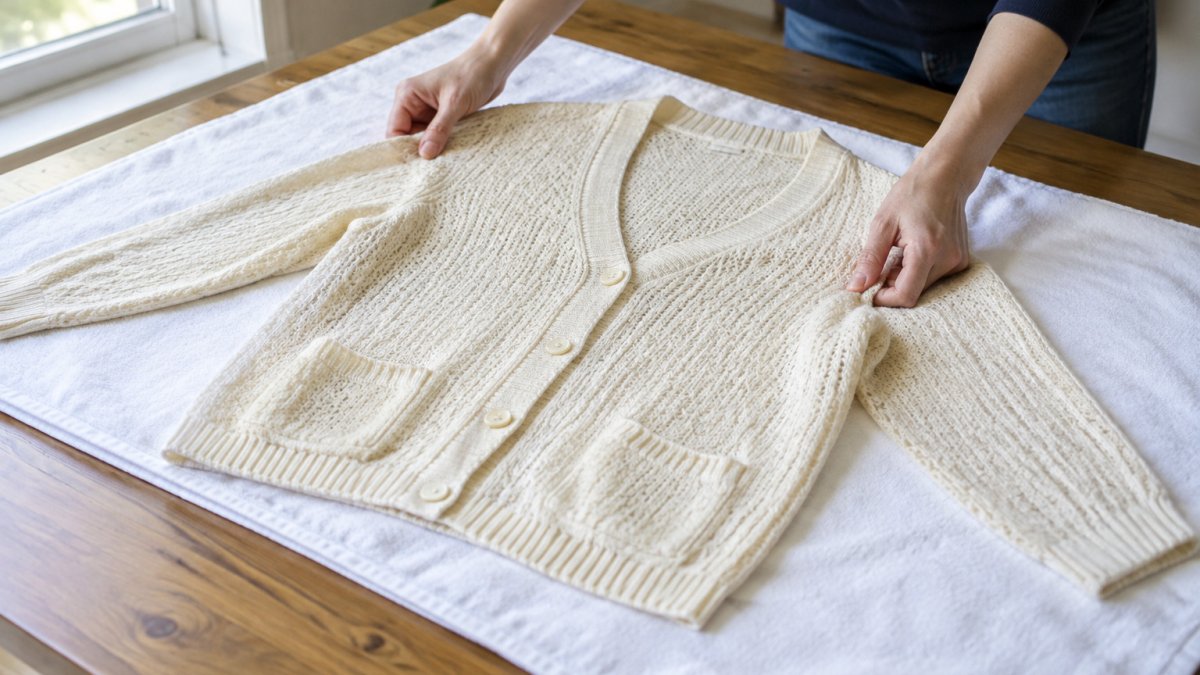
Lay the garment flat on a clean, dry towel. Compare how this care applies to the Steady Vintage Classics Mens Tee In Black before drying. Compare how this care applies to the Steady Vintage Classics Womens Tee In Black before drying.


Drying is where many vintage pieces lose their shape, so the article's flat-drying steps are easiest to follow at a glance.
| Step | What to do | Note |
|---|---|---|
| Absorb moisture | Roll the garment in a dry towel | Gently, without wringing |
| Reshape | Unroll and shape by hand | Restores proportion |
| Transfer | Move to a second dry towel or mesh rack | Keeps weight off the fibers |
| Air dry | Dry away from sun and heat | Sun fades colors; heat shrinks fabric |
How to Prevent Clothes From Fading in Storage and Daily Wear
Fading happens slowly, so small habits make a big difference. Turn garments inside out before wearing or washing to protect the outer surface. Keep vintage pieces out of direct sunlight, including in closets next to windows.
Rotate your wardrobe so no single garment takes all the wear. Give each piece a day or two to rest between uses. This also helps fibers recover their shape and reduces friction damage.
How to Store Clothes Long Term
Proper storage keeps vintage clothing ready to wear for years, and it is where most home care routines fall short. The details that help preserve aged fibers include the storage environment and the materials that touch the garment. Make sure every piece is clean before it goes into storage.
Control light, temperature, and humidity
- Light: Keep stored pieces out of direct sunlight and away from closet windows. Ultraviolet light fades dye and weakens fibers even through fabric, so store in a dark closet or use a breathable cotton cover that blocks light.
- Temperature: Aim for a stable, cool space. Attics and garages swing between hot and cold, and heat accelerates fiber breakdown and can shrink older fabrics.
- Humidity: Damp basements invite mildew. A common pattern is to keep storage areas dry and ventilated; if a space feels damp, a dehumidifier or silica gel packets in the storage area can help, but keep packets from touching the garment directly.
- Ventilation: Air can move around stored pieces. Cramming a closet traps moisture and concentrates pests, so leave space between garments and avoid sealing everything in one tight container.
Choose archival-safe materials
- Breathable covers: Use cotton garment bags or washed cotton pillowcases rather than plastic, which traps moisture and can off-gas over time. If you must use a plastic bin, line it with washed cotton and leave it loosely closed.
- Acid-free boxes: For heirloom pieces, acid-free tissue paper and acid-free boxes reduce yellowing and fiber damage. Ordinary cardboard and newsprint are acidic and can stain or weaken fabric over years.
- Padding and folding: Stuff sleeves and shoulders with acid-free tissue to prevent creasing, and fold heavy knits rather than hanging them so the weight does not stretch the shoulders. Hang structured jackets and dresses on padded or wide wooden hangers.
- Fasteners: Button garments or close zippers before storing to hold their shape, and avoid hanging by thin straps or delicate trims that can tear under weight.
Deter pests without harming the garment
- Add cedar blocks or lavender sachets to deter moths, and replace them as their scent fades.
- Check stored pieces every few months for signs of moths, mildew, or pests. Early detection saves a lot of repair work later.
- If you find active moths, isolate the affected garment and consult a professional before treating the whole closet, since some pest treatments can damage aged dyes.
Watch out: Do not store vintage clothing in plastic dry-cleaning bags or sealed plastic bins for long periods. Plastic traps moisture and can cause mildew, yellowing, and fiber damage that appears only after months in storage.
How to Repair Clothing Before Small Damage Spreads
Small problems grow fast in vintage clothing. A loose thread can become a run, and a tiny hole can open into a tear. Repair early to stop that spread.
Use a fine needle and matching thread to close small seam gaps and reattach loose buttons. For small holes in knits, use a darning technique that weaves new yarn across the gap.
Start Your Vintage Care Routine With Steady Clothing
Caring for vintage pieces is easier when you start with quality garments built to last. Steady Clothing designs and manufactures its retro apparel in the USA, with unique fabrics, custom buttons and embroidery as part of its offering.
If you want to add personality to your own pieces, try our Tiki Metal Button Pack ($8.00), Guitar Metal Button Pack ($8.00), Dice Picture Button Pack ($8.00) or Skull Picture Button Pack ($8.00) to refresh shirts and bowling shirts.
Frequently Asked Questions
How should you wash vintage-style clothing?
Wash vintage-style clothing by hand or on a gentle cycle in a mesh bag, using cold water and a mild, pH-neutral detergent. Turn garments inside out and avoid wringing them, since twisting stretches fibers and stresses seams. Press water out gently in a towel instead. Washing less often is one of the most effective ways to preserve these pieces, so air out garments between wears and wash only when they are visibly soiled or have body odor.
Can you put vintage clothing in the dryer?
It is best to avoid the dryer for vintage clothing. Heat shrinks natural fibers like cotton and wool, can crack glued or metal buttons, and weakens older elastic. Air-dry flat on a towel, away from direct sunlight, which fades dyes. Once dry, the piece can be reshaped by hand. Reserve a dryer on the lowest no-heat or air setting only for sturdy cotton items where shrinkage is not a concern.
How do you store vintage clothing long term?
Clean garments before storing, since residual sweat and oils attract moths and yellowing. Store in breathable cotton or acid-free garment bags rather than plastic, which traps moisture. Fold knitwear and heavy items rather than hanging them so they do not stretch at the shoulders. Keep storage cool, dry and dark, and place cedar or lavender sachets nearby as moth deterrents. Check pieces every few months for early signs of insect damage.
How can you prevent vintage clothing from fading?
Keep vintage pieces out of direct sunlight, both when wearing and storing them, because UV light breaks down dye molecules over time. Wash in cold water with mild soap to limit dye loss, and turn garments inside out before washing and drying. Store colored items separately from white ones and avoid hanging them in bright windows. Colorfastness testing on a hidden seam before washing will show whether a dye is likely to bleed.
